





What Is Tire Balancing?
If you’ve ever been cruising down the road and suddenly felt your steering wheel start to shimmy or your seat vibrate just enough to make you wonder what’s going on, there’s a good chance your tires are trying to tell you something. Around Gates Automotive, drivers ask “What is tire balancing?” more often than you’d think, and it’s one of those simple services that makes a big difference in how your vehicle feels on the road. When your tires are properly balanced, everything just drives smoother — your ride, your handling, even your fuel efficiency. And when they’re not? Well, that’s when the problems start creeping in.
Key Takeaways
- → Tire balancing ensures your wheels spin evenly for a smoother ride.
- → It prevents uneven wear and protects your suspension.
- → Ignoring balancing leads to vibrations, poor handling, and faster tire wear.
- → Balancing and rotation are different but equally important.
- → Regular balancing saves money and improves overall vehicle performance.
Service Overview
What Tire Balancing Actually Is
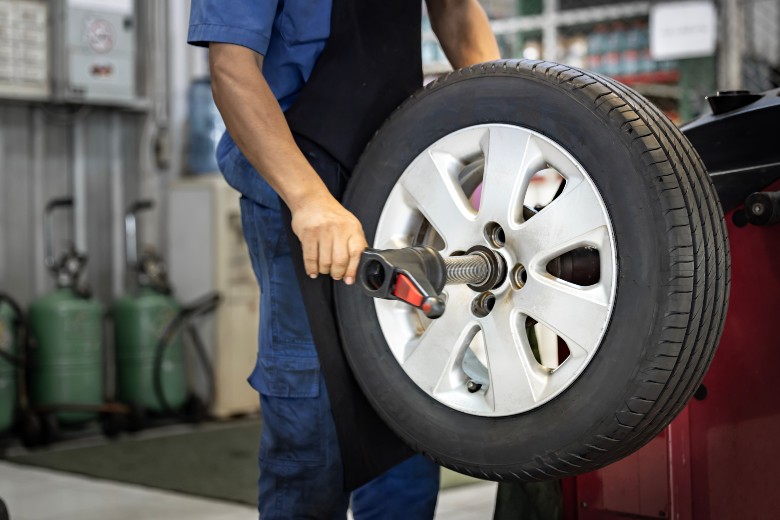
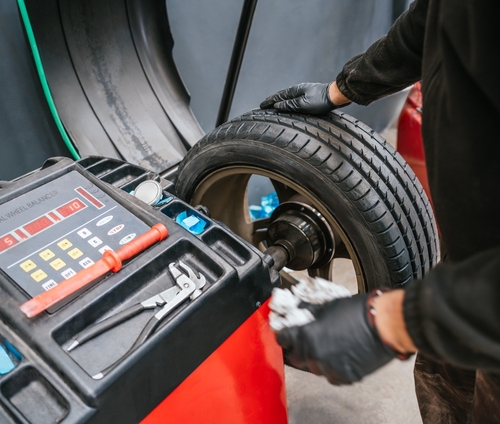
Every tire and wheel has tiny weight differences — nothing visible, but enough to cause uneven spinning. When a technician balances your tires, they use a specialized machine to pinpoint those imbalances and attach small weights to even everything out.
Think of it like spinning a washing machine with all the clothes bunched on one side. It thumps, shakes, and rattles until everything evens out. Your wheels behave the same way. A quick wheel balancing service in South Bend, Indiana, keeps that “thumping” from happening on the road.
When your wheels spin evenly, your vehicle doesn’t have to fight against vibration or wobbling. That means less wear on your tires and fewer surprises behind the wheel. It’s one of the easiest ways to protect your investment and keep your vehicle feeling solid on the road.

Warning Signs
The Signs Your Tires Need Balancing
Most drivers notice the symptoms before they ever think about the cause. Some of the most common signs your tires need balancing include:
- ✓ Vibrations in the steering wheel, seat, or floorboard
- ✓ Uneven or patchy tire wear
- ✓ A humming or buzzing sound at certain speeds
- ✓ Your vehicle is pulling slightly to one side
- ✓ A general “rough” feeling while driving
If you’ve ever wondered, “How do I know if my car needs a tire balance?” — these symptoms are your biggest clues. And the longer they’re ignored, the worse they get.
Consequences
What Happens If You Don’t Balance Your Tires?
It’s easy to put off small maintenance tasks, but what happens if you don’t balance your tires isn’t so small. Over time, those tiny weight differences cause bigger problems:
- ✓ Tires wear out faster, especially in uneven patterns
- ✓ Suspension components take on unnecessary stress
- ✓ Your vehicle becomes harder to control
- ✓ Fuel efficiency drops
- ✓ Vibrations get worse and more noticeable
Eventually, what could’ve been a quick, affordable fix turns into a much more expensive repair. That’s why balancing your tires isn’t just a “nice to have” — it’s a must.

Service Comparison
Tire Balancing vs. Tire Rotation
People often mix up tire balancing vs. tire rotation, but they’re two completely different services.
Balancing corrects weight differences in each wheel. Rotation moves tires to different positions on the vehicle to promote even wear.
Both are important and often done together, but they solve different problems. Balancing keeps your ride smooth; rotation keeps your tires wearing evenly.
A good rule of thumb is to have your tires balanced every 5,000–7,000 miles, or whenever you rotate them. If you’re noticing symptoms sooner, don’t wait. Your vehicle will always tell you when something feels off — you just have to listen.
Schedule Tire Balancing
Scheduling
Keep Your Drive Smooth and Safe
Tire balancing isn’t complicated, but it plays a huge role in how your vehicle performs. From smoother rides to longer tire life, it’s one of the smartest ways to protect your investment. And at Gates Automotive, keeping your vehicle running its best is always the priority.
If you’re noticing vibrations, uneven wear, or just want peace of mind, scheduling tire balancing in South Bend, IN, is a great place to start.
Tire balancing cost near me? It’s one of the most budget-friendly maintenance services you can get. And considering how much it improves your driving experience, it’s worth every penny. Check our service specials for current offers.
FAQ: Tire Balancing
What is tire balancing, and why do I need it?+
It’s the process of correcting weight differences in your wheels to prevent vibration and uneven wear. When your tires are properly balanced, your ride is smoother, your fuel economy improves, and your tires last longer.
How do I know if my car needs a tire balance?+
Look for vibrations in the steering wheel, seat, or floorboard; uneven or patchy tire wear; and humming or buzzing noises at certain speeds. These are the most common signs your tires need balancing.
How often should you balance tires?+
Every 5,000–7,000 miles or whenever you rotate them. If you’re noticing symptoms sooner, don’t wait — schedule a balance service at Gates Automotive in South Bend, IN.
Is tire balancing the same as tire rotation?+
No — balancing corrects weight issues in each individual wheel; rotation changes tire positions on the vehicle to promote even wear. Both services are important and are often done together.
What happens if you don’t balance your tires?+
You’ll experience vibration, accelerated tire wear, increased stress on suspension components, and reduced fuel efficiency. Over time, small imbalances can lead to expensive repairs that are easily prevented with regular balancing.






Make an Inquiry
* Indicates a required field
Hours
- Monday9AM - 8PM
- Tuesday9AM - 6PM
- Wednesday9AM - 6PM
- Thursday9AM - 8PM
- Friday9AM - 6PM
- Saturday9AM - 5PM
- SundayClosed
Contact
Gates Automotive Group
640 W. Ireland Road
South Bend, IN 46614
- Sales: 574-505-4701
- Service: 574-444-0336